
Dedicated Product Teams
Add a stable cross-functional team that learns your product and ships continuously.
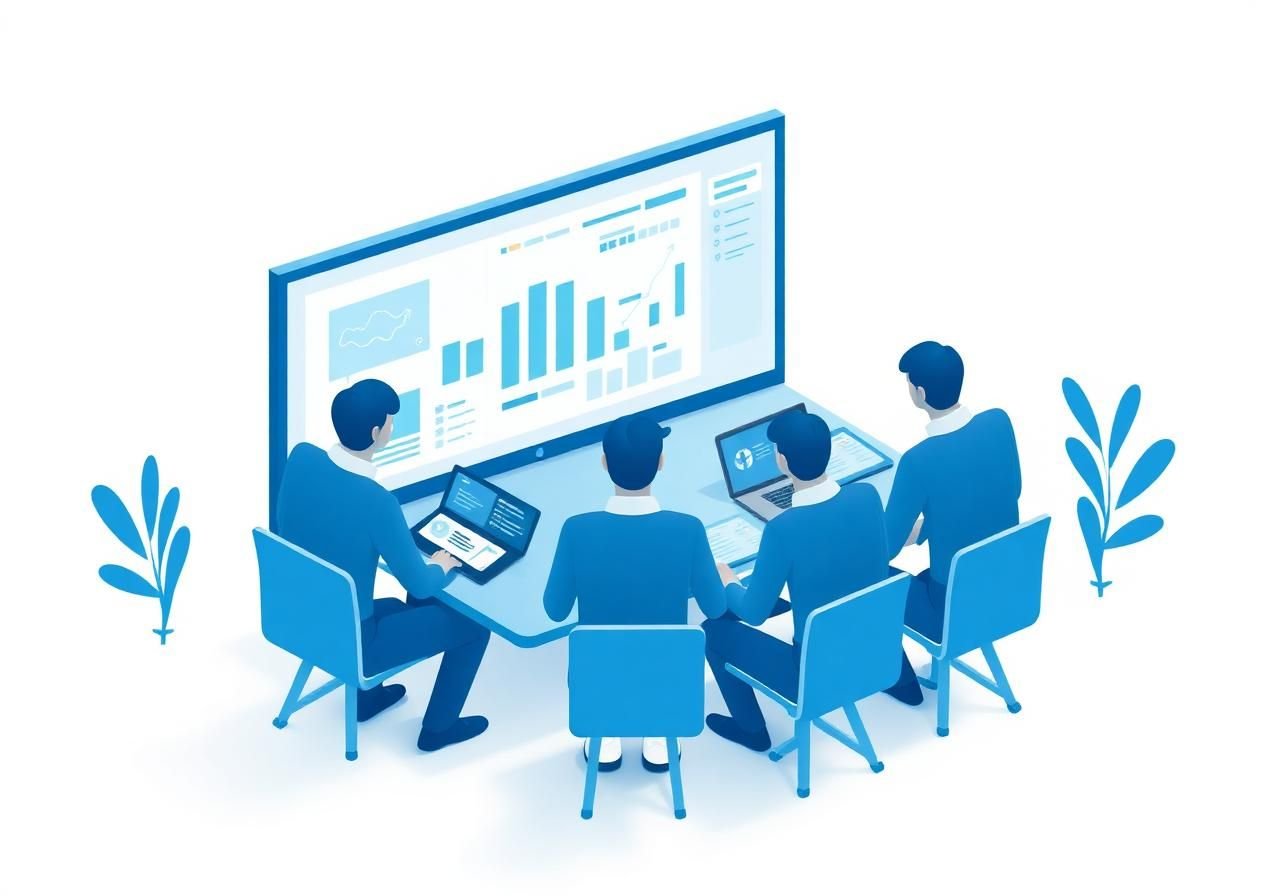
Hiring a full in-house product team for one roadmap's worth of work is slow and often wasteful. A dedicated team gives you the same cross-functional ownership without the hiring cycle or the headcount commitment.
We stay close to your operating reality — the constraints, the edge cases, and the people who have to run the system after launch — so the work holds up long after the first release.
Signals it's time to bring us in
- Your roadmap has more work than your current team can absorb, and
- You need a team that learns your product deeply enough to make good
- Project-based contractors keep starting over, because nobody stays on
- You want predictable delivery cadence — features shipping on a
Capabilities, built to operate in the real world
Product Manager
A product manager who translates your roadmap into scoped, sequenced work, and pushes back when a request doesn't actually serve the goal.
Designer
A designer embedded with the team, not handed a spec to execute blindly — someone who catches usability problems before they become engineering tickets.
Engineers
Engineers who stay on your product long enough to build real context, so the tenth feature ships faster than the first because they understand the system, not despite it.
Qa
QA integrated into the delivery cycle, not a separate phase at the end — catching problems while they're still cheap to fix.
Delivery Cadence
A predictable shipping rhythm — sprints, releases, whatever fits your product — so you can plan around delivery instead of guessing when something will land.
Substance over slideware, from first call to production
This is the part most vendors skip. We make the trade-offs visible, keep the team who scoped the work close to the build, and hand over something your business can actually own.
One accountable team
Product, design, and engineering decisions stay under one roof — no hand-offs that lose the plot.
Visible increments
You see working software on a steady cadence, not status theatre or surprise reveals.
Built to be owned
Documented architecture, clean handover, and code your own team can extend confidently.
Risk raised early
We surface the expensive unknowns up front instead of discovering them at launch.
How the product comes together, step by step
A closer look at what we ship
A spread of the surfaces we design and build for engagements like this — from the primary workspace to mobile and reporting.
Dashboard overview
Mobile experience
Detail & records
Insights & analytics
A path from uncertainty to shipped
- 01
Learn your product and roadmap deeply enough in the first weeks that the team can make good calls without constant direction.
- 02
Establish a delivery cadence that fits your product, and hold to it so you can actually plan around it.
- 03
Build in reviewable increments, with you seeing progress every cycle, not just at the end.
- 04
Keep QA inside the delivery loop, not as a separate phase that happens after "done."
- 05
Adjust team composition as your roadmap shifts — more engineering focus here, more design there — without restarting the relationship.
- A team that ramps into real product context, not a rotating cast of
- Product management that translates your roadmap into scoped,
- Design embedded with engineering, not handed specs after the fact.
- QA integrated into every cycle, not bolted on at the end.
- A predictable, plannable delivery cadence.
- Flexibility to adjust team composition as your roadmap evolves.
Context is the thing project-based contractors never build, because they're gone before it compounds. A dedicated team stays long enough that your tenth feature ships faster than your first — because they understand your system by then, not just your spec.
Common questions
Contractors reset context every engagement. A dedicated team stays on your product, builds real understanding of it over time, and gets faster and better at making good calls the longer they're on it.
Yes — we can shift the mix toward more engineering, more design, or add QA capacity as your roadmap changes, without restarting the relationship each time.
You do. The embedded product manager translates your priorities into sequenced work and flags trade-offs, but the roadmap and final calls stay yours.
A system, not a set of disconnected parts
We design the whole pipeline — from where data originates to where your team takes action — so nothing important lives in a spreadsheet or someone's head.
Bring us the messy version.
Tell us what's slow, broken, unclear, or strategically important. We'll help turn it into a sensible plan.